
EASE Lessons
Learning About Worries
This is the first lesson in the EASE collection. It sets the stage by teaching students what anxiety is and how it can affect them.
Why teach this?
Learning how anxiety works in the brain and body decreases anxiety about anxiety.
Lesson outcome
Students will recognize that anxiety is a common emotion that can be managed.
Lesson activator
Read a story or watch a video about a character who experiences anxiety. Encourage students to make personal connections with the story.
Suggested materials
- Grades K–3: Wemberly Worried, by Kevin Henke
- Grades 4–7: Some Things are Scary, by Florence Heide; Me and My Fear, by Francesca Sanna
Hands-on learning
Create a “worry character” to externalize and normalize anxiety.
Ask students to recall the story you read to introduce the lesson and imagine what the character’s worry would look like if it had its own body. Then ask them to imagine what their own worry would look like, what they might say to it and what they would call it. Provide a variety of art materials for students to use to bring their character to life.
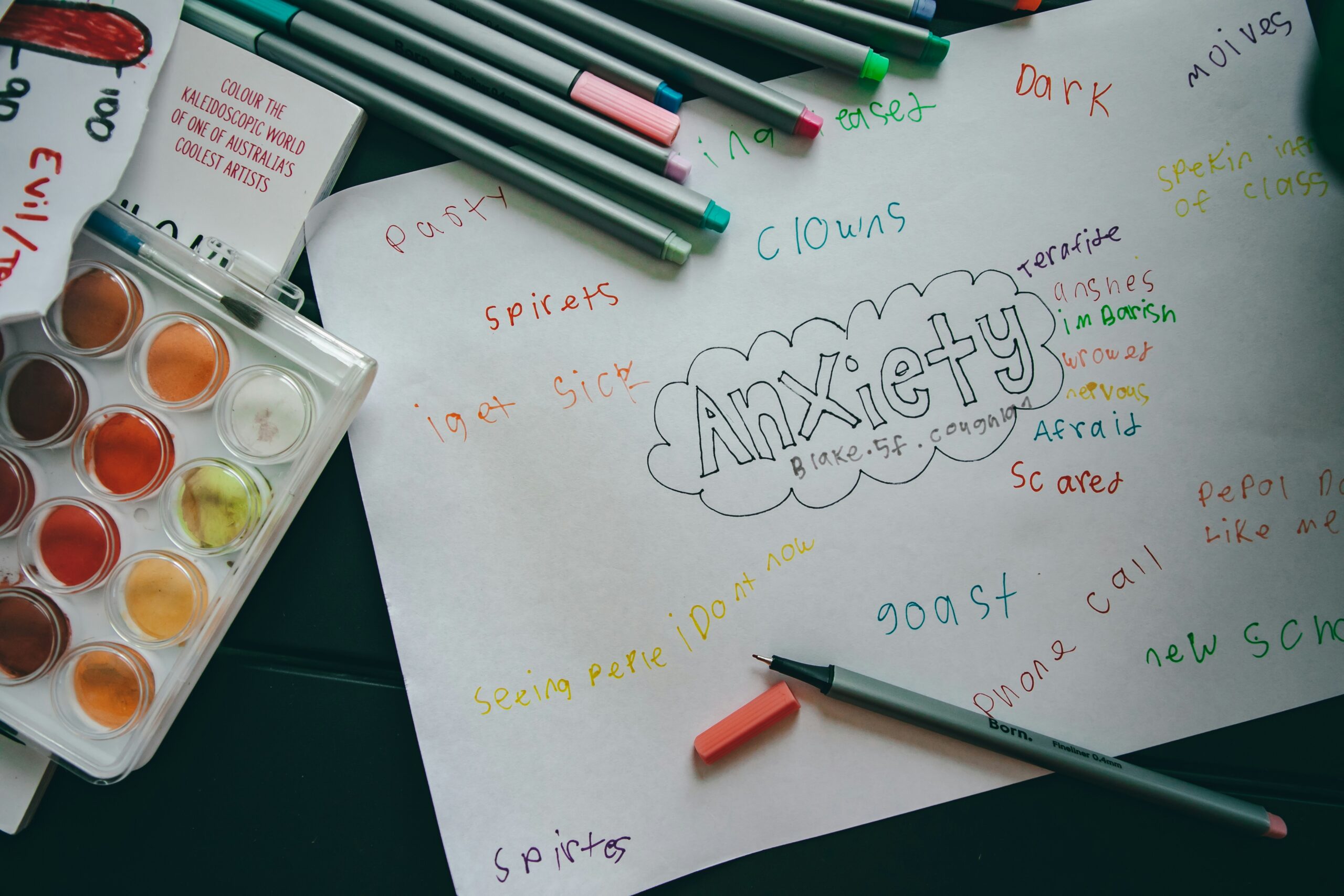
Older students could make a word cloud using words to describe worry and anxiety, or sculpt, draw or paint an image or their ideas using a variety of art supplies.
Helpful and Unhelpful Thinking
This is one of two lessons in the Understanding Thoughts section of EASE. It helps students recognize the different types of thoughts they have every day and how their thoughts influence what they do and how they feel.
Why teach this?
Teaching children to recognize helpful and unhelpful thoughts can increase self-awareness and optimism, which has been shown to build resilience.
Lesson outcome
Students will notice and identify helpful and unhelpful thoughts; older students will also start to recognize how their thoughts influence their feelings and behaviours.
Lesson activator
Read a story or watch a video about a character whose thoughts could be easy to guess. As you read, ask students to say whether the character is having helpful or unhelpful thoughts.
Suggested materials
Grades K–7: Ish, by Peter H. Reynolds; Penguin Problems, by Jory John; or a related book of your choice
Hands-on learning
Grades K–3: students move their bodies in different ways when they hear a helpful or unhelpful thought
Grades 4–7: students brainstorm examples of helpful and unhelpful thoughts and engage in activities to explore the connections between thoughts, feelings and behaviours
Taking Brave Steps
This is one of two lessons in the Taking Action section of EASE, which includes strategies to help students approach everyday anxiety-provoking situations. This lesson reinforces understanding of what it means to be brave and promotes the value of taking small steps to gradually face fears or challenges.
By learning to take small steps to face everyday fears or challenges, students find that they are able to take action even when they feel some anxiety, and that anxiety eventually subsides once they “get used to” the situation.
Lesson outcome
Students will recognize the value of breaking challenges into small steps.
Lesson activator
Read a story or watch a video about someone approaching challenges one step at a time.
Suggested materials
- Grades K–3: The Thing Lou Couldn’t Do, by Ashley Spires; Franklin Rides a Bike, by Paulette Bourgeois; or a related book of your choice
- Grades 4–7: Anita: Learning to Manage Fears (Exposure), by Anxiety Canada; Flight of the Hummingbird, by Michael Nicoll Yahgulanaas; or a similar video
Hands-on learning
As a class, identify the steps the characters in the book or video took to accomplish their goal. Working together, come up with some small steps for facing a common fear or challenge, like starting at a new school or delivering a speech. Help students think of a goal of their own that they’d like to reach and identify the first step they could take toward meeting their goal.
Coping Cards
This is one of two lessons in the Taking Action section of EASE, which includes strategies to help students approach everyday anxiety-provoking situations. In this lesson, students identify encouraging statements that they can use to coach themselves through anxious feelings or challenging situations.
Why teach this?
It can be difficult for students to remember coping tools and phrases when they are already feeling stressed or worried. Writing these down on Coping Cards can remind them “in the moment” to focus on their strengths and more balanced ways to view a situation.
Lesson outcome
Students will create a set of personalized coping statements to remind them of encouraging phrases or images when they feel overwhelmed “in the moment”.
Lesson activator
Show students pictures of someone in a situation that could be anxiety-provoking. Encourage students to think about how the person in the picture might be feeling and what might be going on in their bodies. Brainstorm some helpful things they might say to themselves to help calm their nerves.
Suggested materials
Grades K–7: A picture of someone in an anxiety-provoking situation, blank index cards, single hole punch, string or metal ring to hold all cards together, felt markers, coloured pencils and other art materials to decorate cards
Hands-on learning
Instruct students to select some words, phrases, or pictures they find encouraging and put them on a set of index cards to create their own Coping Cards. There is no right or wrong message if it’s personally meaningful. Other possibilities include drawing a picture of something special like a pet, writing the name of a special person, or cutting encouraging pictures from magazines. Once students have completed their cards, provide a hole punch and string to connect them together. Alternatively, have each student make a poster using one phrase and hang them around the classroom for all to share.
Photo by Anima Visual on Unsplash