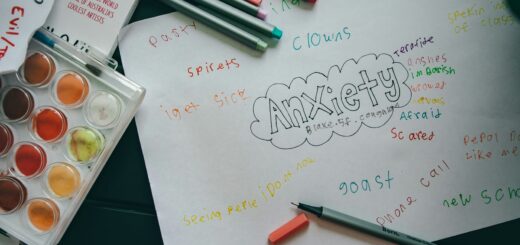
Mindfulness Activities
Activity: Using your senses to be mindful
Teaching children how to pay attention to the present moment with an open, curious state of mind can help them better manage worries and anxiety reactions. Research shows that when practised regularly, mindfulness has many benefits for children, including increased focus and attention and more positive social interactions. Having children use their senses is an easy way to practise mindfulness with them.
Try this: Find a comfortable, seated position. Take a few deep breaths to focus your attention on the present moment. Then use your senses to identify:
- five things you can see
- four things you can feel
- three things you can hear
- two things you can smell
- one thing you can taste
What happened? Were you able to stay focused on your senses, or did your thoughts take you out of the present moment every few seconds? Staying focused is difficult, because our thoughts and the things around us are distracting. The goal is to be able to notice when this happens and gently bring attention back to the present. Practising regularly makes it easier. Consider including this strategy in your action plan.
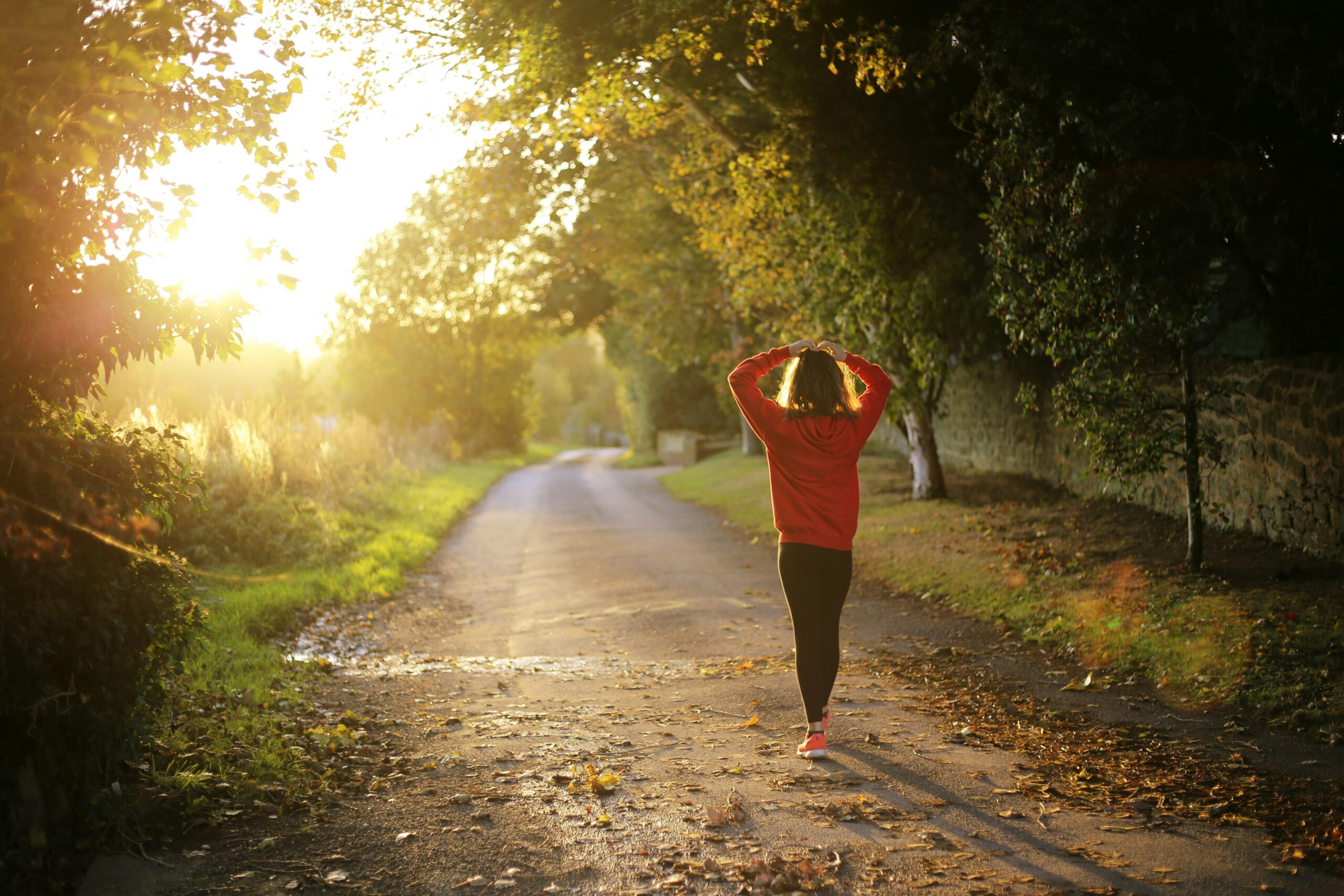
Activity: Get up and move!
Movement Breaks is one of the lessons in the Relaxation and Chill-out Tools section of EASE. It includes descriptions of short, energizing activities that release stress and improve mood, which can contribute to positive overall classroom functioning. Regular movement breaks are good for all students, but those with muscle tension due to anxiety particularly benefit from getting “out of their heads” and engaging in activities that allow them to shift attention and move their bodies.
Try this: Stand up with your feet hip-width apart. Reach your hands up high overhead and take a deep breath. Interlace your fingers above your head and point your index fingers toward the ceiling. On an inhale, lean gently to the left to stretch the right side of your body. Hold for a count of five and come back to centre as you exhale. Repeat on the opposite side.
What happened? What physical and mental changes did you notice after trying the movement breaks technique? When might this strategy be useful in your classroom? Consider including this strategy in your action plan.
Activity: Tense and relax
When confronted with threats (either real or imagined), our muscles tense as part of a fight-flight-freeze response. Muscle tension provides a feedback loop to our brain that can sustain anxiety. Practising progressive muscle relaxation (PMR), a method for systematically tensing and relaxing muscles, can break this cycle.
Try this: While sitting down, grab the seat of the chair with both hands and pull up. Hold for 10 seconds, then relax your shoulders and arms, noticing how the tension melts away.
What happened? What physical and mental changes did you notice after using the PMR technique? When would this strategy be useful in your classroom?
Photo by Emma Simpson on Unsplash