
Free Inquiry Week #5 — The Past & Future of Down syndrome
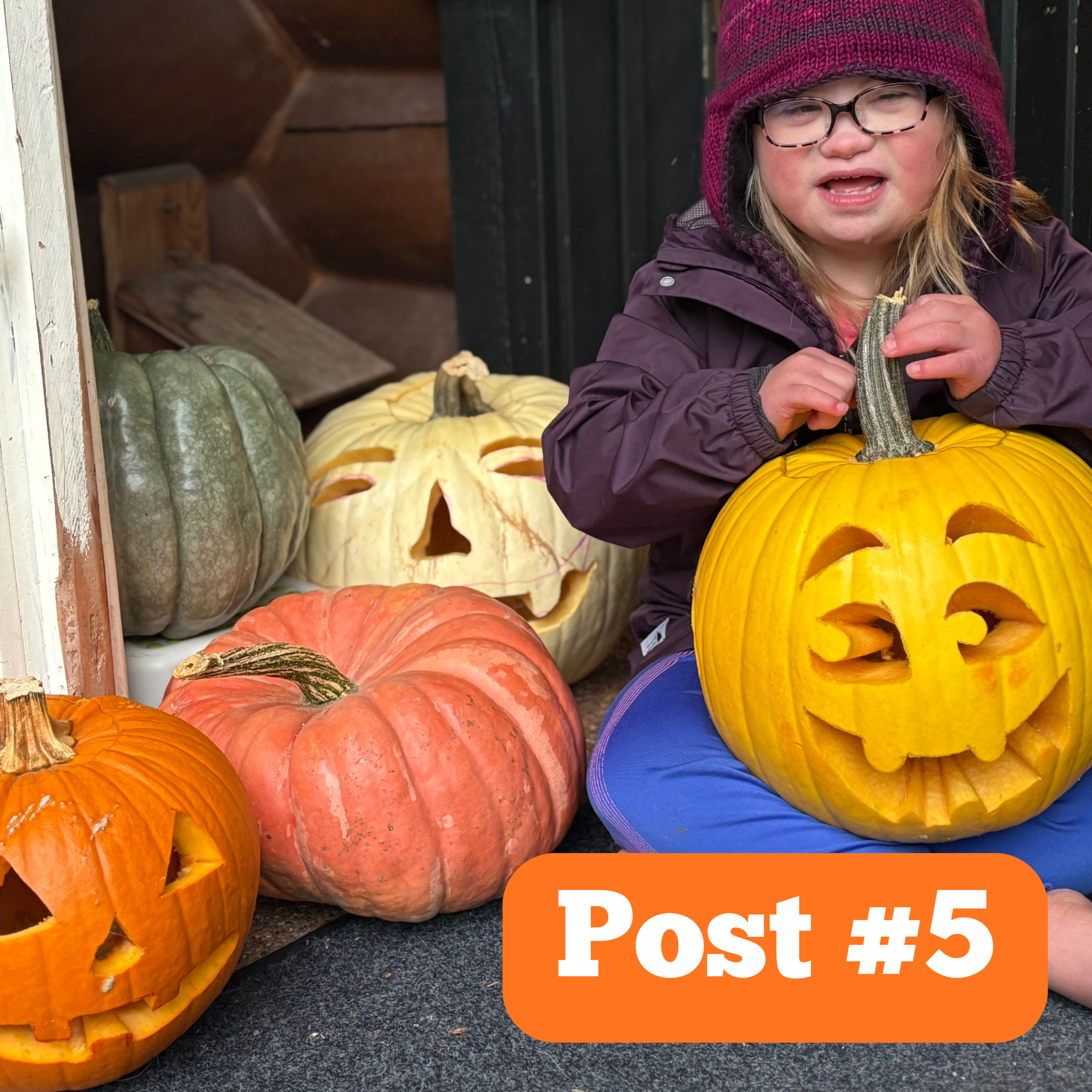
Sadly, the narrative around Down syndrome is not entirely as positive as I have made it sound in my blog posts. The past is full of horrific stories of people with Down syndrome (and others with “disabilities”) being institutionalized in places like Mitchener Centre close to Red Deer, Alberta. I’ve linked below to a timeline of some of the events that have happened in the the lives of people with diverse abilities. Thankfully all institutions in Canada have been closed down and alternate living arrangements organized. Organizations like L’Arche provide living arrangements that are as close to family as possible. Caregivers live-in with their housemates with diverse abilities. Everyone deserves to live in a safe place where they are treated like family.
Deinstitutionalization | A Brief Timeline of the History of People with Disabilities


What does the future look like?
In the 1980s, as prenatal screening for Down syndrome became common, the anthropologist Rayna Rapp described the parents on the frontier of reproductive technology as “moral pioneers.” Suddenly, a new power was thrust into the hands of ordinary people—the power to decide what kind of life is worth bringing into the world. Prenatal screening has changed the future of Down syndrome. I’ve mentioned before that the birth rate for babies with Down syndrome has dropped from 1 in about 700 to 1 in about 1100. That’s a huge decrease, and research is revealing that prenatal screening is to blame.
Despite this tragic development, the future still looks bright for people and families who are lucky enough to love someone with Down syndrome. John and his dad have developed a business called John’s Crazy Socks — in which their whole mission is to spread happiness, through socks, giving back to organizations like Special Olympics and advocating for people with diverse abilities. Most of their employees have a diverse ability.
You’ve also probably seen faces of Down syndrome in Hollywood. In the last few years there have been some really talented adults with Down syndrome starring in movies. Two movies are Champions and the Hunger Games – The Ballad of Songbirds and Snakes. There are also some really impressive independent movies being made that highlight the lives of those with Down syndrome — how fulfilling their life is and how families support them along the way.
Where do families find resources?
One of the biggest challenges for families, with kiddos of any age, who happen to have Down syndrome is finding resources. In a world where so much information is at our fingertips about a million different topics, why is there not a hub for families that have kids with Down syndrome? Parents are tasked at not only being their child’s biggest advocate, but also an investigator of all things that could help them along their journey. We have some really AMAZING resources in British Columbia for families… and yet so many of them have no idea how to access them!
Did you know that if you have a child with a diverse ability the government will give you money towards saving for their future? It’s true. The Canadian Government gives individuals with diverse abilities grants based on contributions. Every $1 receives up to $3 grant money. There are, of course, stipulations and rules. Families should talk to their financial advisors for advice and guidance about RDSP’s. Registered Disability Savings Plan (RDSP) – Canada.ca
Below, I made a screen cast as I as looking for resources for families in the Cranbrook area. It was not impressive what showed up in my google search.
How can people spread awareness of Down syndrome?
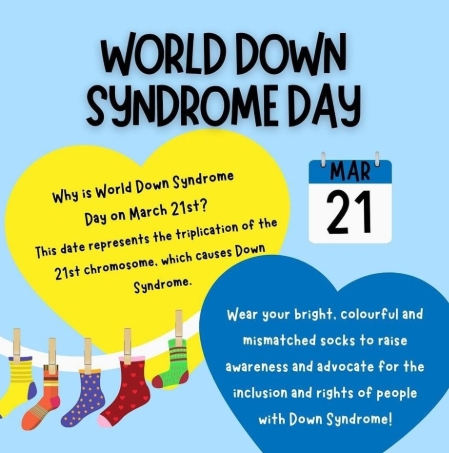
The are a few key times of year when we really hone in on Down syndrome awareness. March 21st is World Down syndrome day — it’s on the 3rd month and 21st day because there are 3 copies of the 21st chromosome with Down syndrome. October is also Down syndrome awareness month. Organizations typically share really great info graphics that can be shared which will help to dispel myths, clean up misunderstandings and just spread some awareness about the truth around Down syndrome. People with Down syndrome make this world a better place. There is a reason why families who have a child with Down syndrome are called “The Lucky Few!”
Some more stories and ideas about advocacy…
Portraits highlighting people with Down syndrome in the region
10 Ways To Celebrate Down Syndrome Awareness Month – Life In Parrishdise
Reflection
This week I had to control myself from going down a VERY big rabbit hole. There are so many terrible stories out there about how people with Down syndrome have been treated in the past and so many amazing stories about how families have embraced their child’s diagnosis and are on a big journey of advocacy and education for the big world around them. I could have shared 100 amazing videos, links and podcast episodes. That would have been ridiculous. I took some time to really think about the most important things that would make the biggest impact when people are thinking about the past and future of Down syndrome.
I was really surprised by the lack of resources that popped up when I googled the topic. Considering that google might be the first place where people go when they get a diagnosis or have a question… we need to do better. There should be a “one-stop-shop” for families where they can access crucial information and contacts. I chose to make a screencast to highlight how difficult it was to find these resources. I also recently made a screencast when a friend asked about how to make a certain graphic on Canva. I’m really liking the screencast technique and how easy it is to “teach” someone about something easily and quickly.