A Visit to St. Eugene – Tour of the Residential School
On November 3rd, 2025, twenty Year 2 and Post-Degree students from the EKTEP program visited the St. Eugene Golf Resort and Casino. Below is my personal reflection on the three different activities that we participated in during our visit: a movie screening, tour of the Interpretive Centre and a tour of the historical residential school building.
Survivors of the Red Brick School
This documentary was created and produced by a number of residential school survivors of the Cranbrook Residential School that existed in what is now ʔaq̓am or ʔaqamniʔk band of the Ktunaxa Traditional Territory. There is so much to comment on and discuss from this movie, however, every time I watch or read anything about the residential schools it’s my mama heart that is impacted the most. I can only imagine what it felt like to have your kids ripped out of your arms, taken away for 10 months at a time, and some, never came home. I just don’t know how this was deemed okay from the moral compass of anyone — either Government or Church officials.
Speaking of the Church, as a Christian, this part of history is appalling to me. I’m not sure exactly which churches, other than the Catholic Church were involved in these acts of family and cultural destruction, but none of it is okay. I just shake my head to think about the conversations that might have happened around a “board room” table and how enough people agreed to the “plan” to actually make it happen — across the whole country! The part of the video that really hit me this time was when the men were talking about never setting foot in a church again. That makes perfect sense. I can imagine the feelings and memories that would surface as you walked through the doors or saw someone dressed in a robe like the Priests and Fathers would have been wearing during their time at the school.
“They were preaching the word of God, but still, they were like devils in some ways. I didn’t like the way they acted as they preached the word of God. To see the kids that were beaten, you could hear the screams. That school was a big place. You could hear the screams from outside the school. No love in that place.”
Ted Baptiste (Survivor of the Red Brick School)
Interpretive Centre
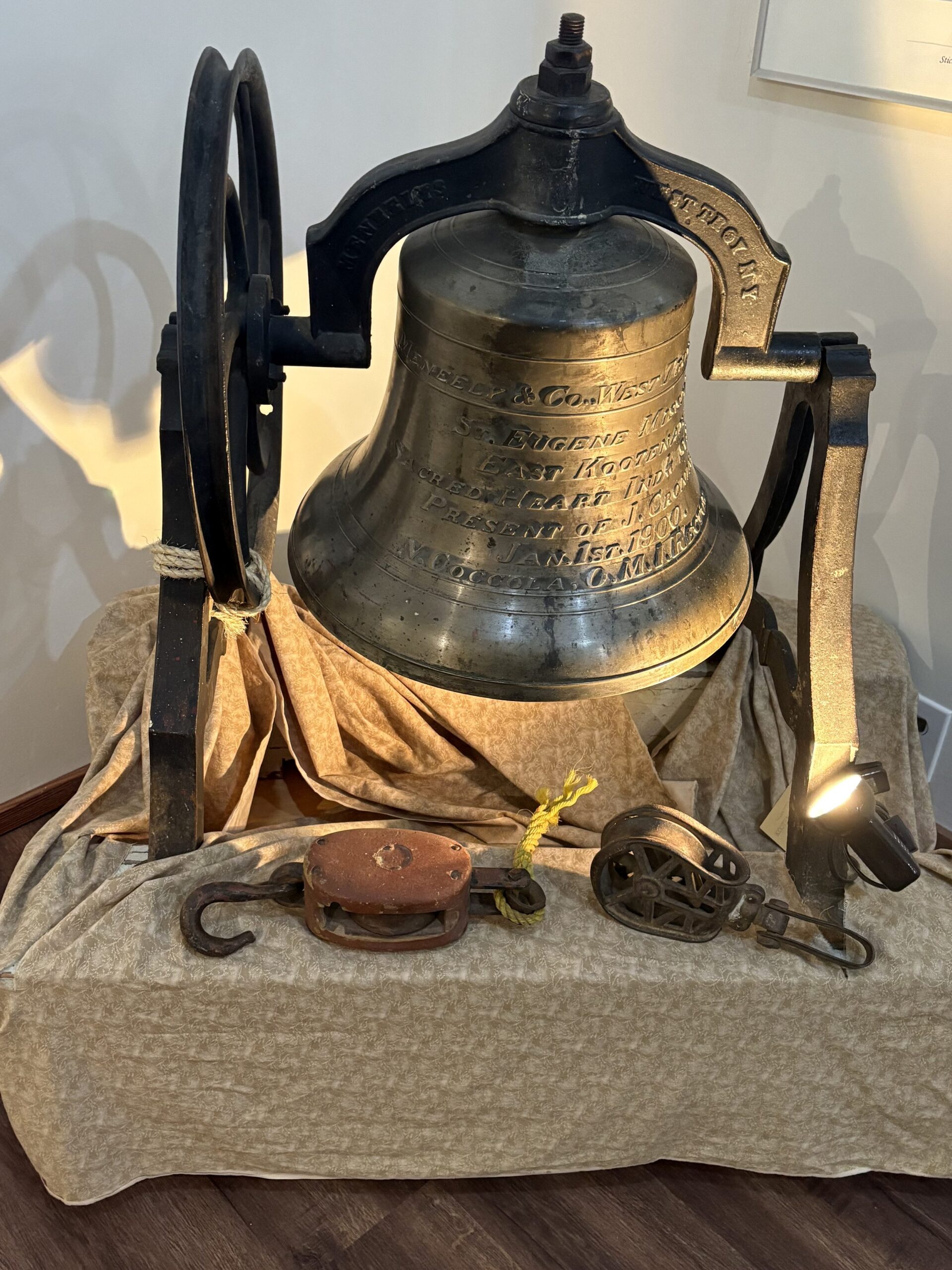
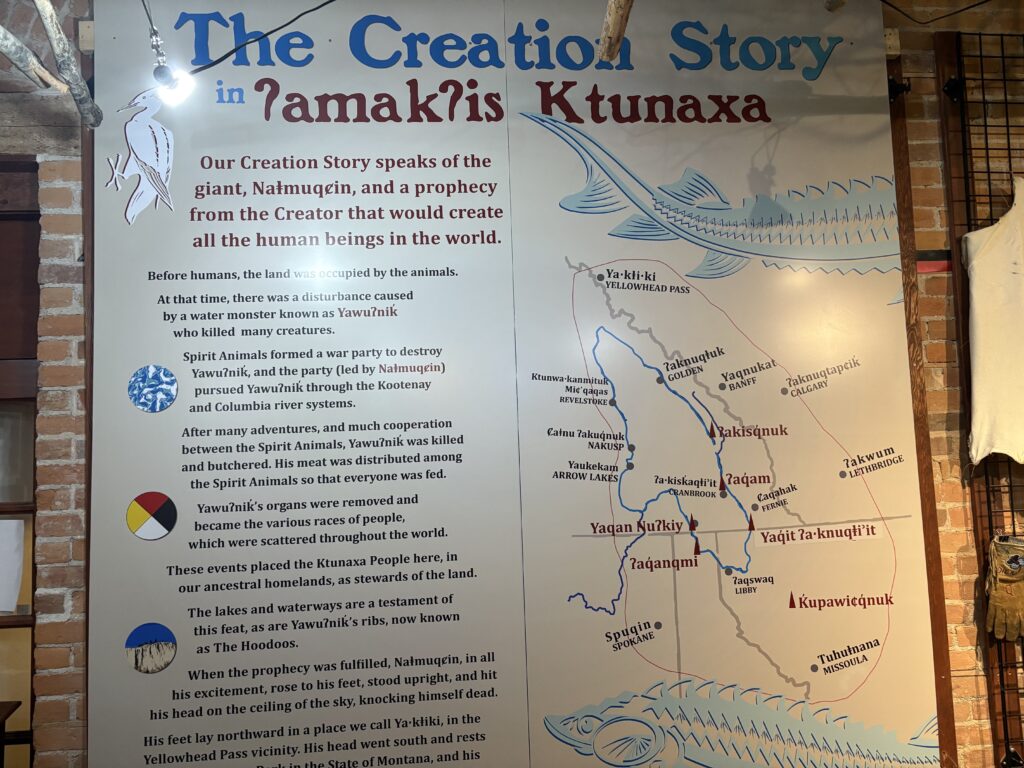
Our tour guide did a great job leading us through all of the artifacts that they have gathered and maintained for educational and cultural purposes. I especially liked the stories she told. The one about the school bell was particularly intriguing. From what I heard today, the people that went to the schools didn’t want that part of history to be lost. They wanted the stories, the truth, to be told to future generations. This takeaway is similar to a takeaway from my First Nations 101 course last year. Indigenous Peoples share their culture through story. I really enjoyed all the stories we heard today. These stories are a huge part of history, a part that is just 10 km down the road from Cranbrook.
Kootenay Indian Residential School
Our tour guide Isaac Birdstone, who himself is a survivor of the Cranbrook residential school, toured us through the red brick walls that line the hallways in what used to house 160 students each school year from 1890 until the school closed in 1970. He told us so many stories and dispelled so many myths about the residential schools. He made some really cool connections between cities around the whole Ktunaxa nation. I found his stories a little disjointed and random, but all very interesting. He shared that his job as a tour guide gives him purpose in his stage of life and he obviously really loves it! He was very engaging and lively.
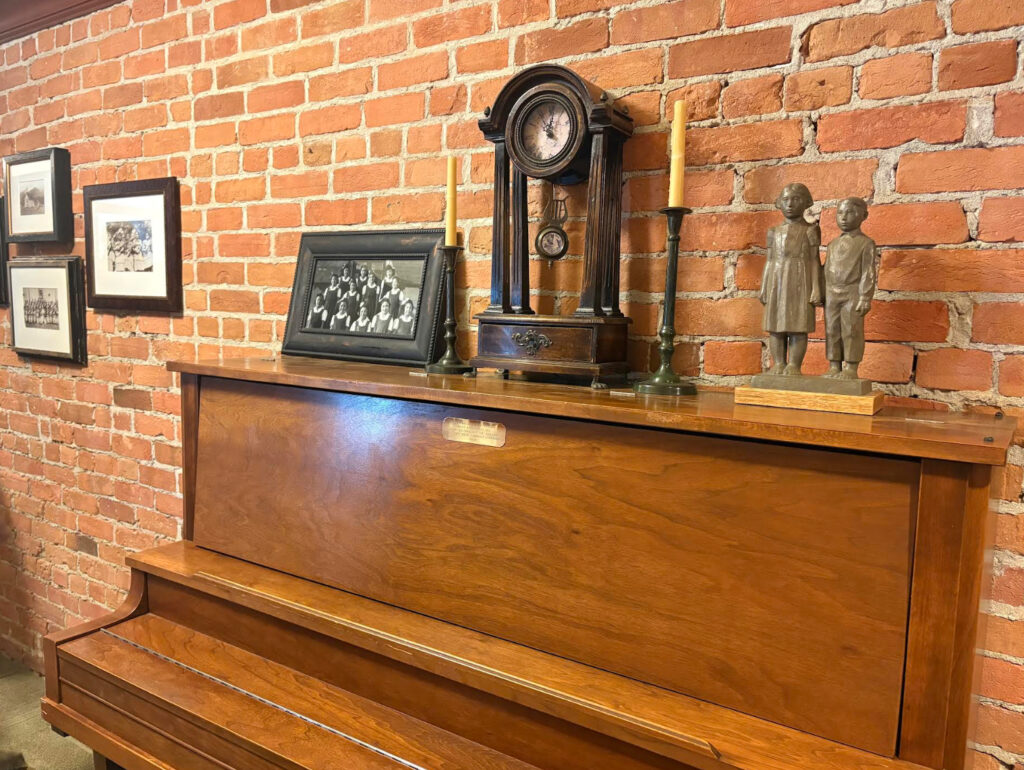
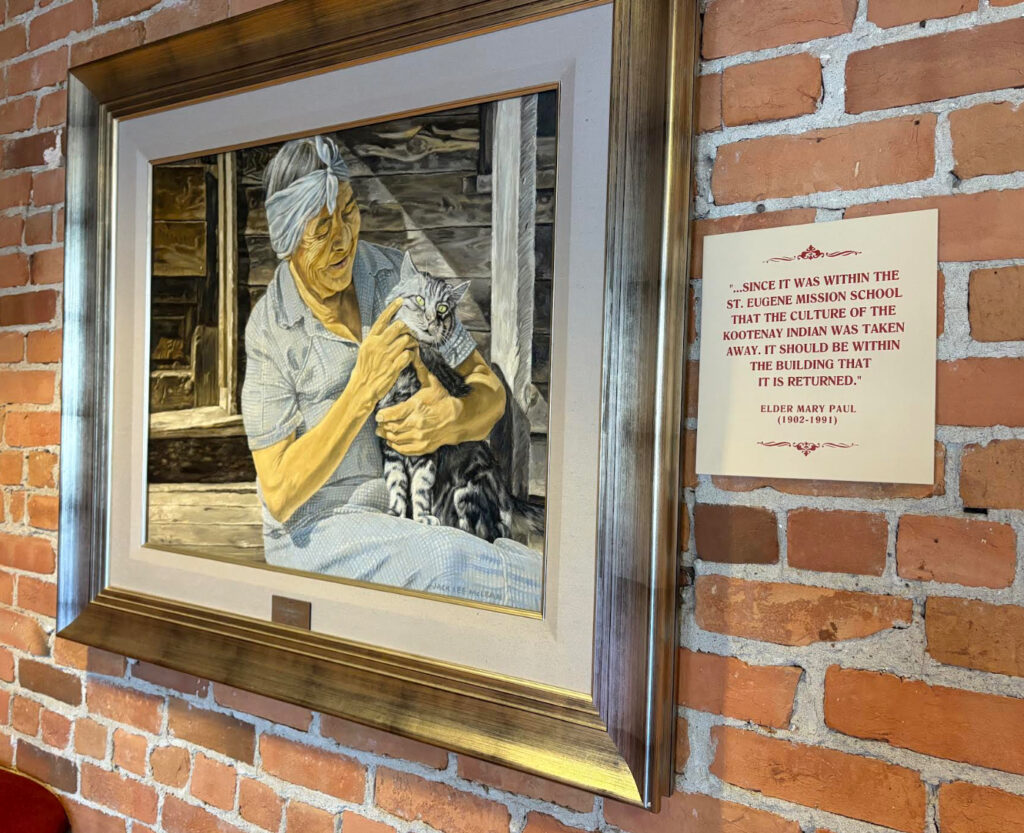
One statement that Isaac made that hurt my heart was when he was talking about all the hurts and trauma he experienced as a student at the school. He said that he will NEVER be able to forget, NEVER be able to forgive but he will move forward on his own journey. I can’t imagine spending the majority of my life in a place where my trauma-filled memories control me due to unforgiveness. I also can’t imagine how one would find a place to forgive people when they cause so much hurt and willfully abused myself or others in such horrendous ways. This was really evident with that one gentleman in the movie we watched, where he was thrown down the stairs and then beaten and left without medical care. This has obviously affected him for the rest of your life. How do you move on from that? How did you heal emotionally when your physical scars will last forever? How?
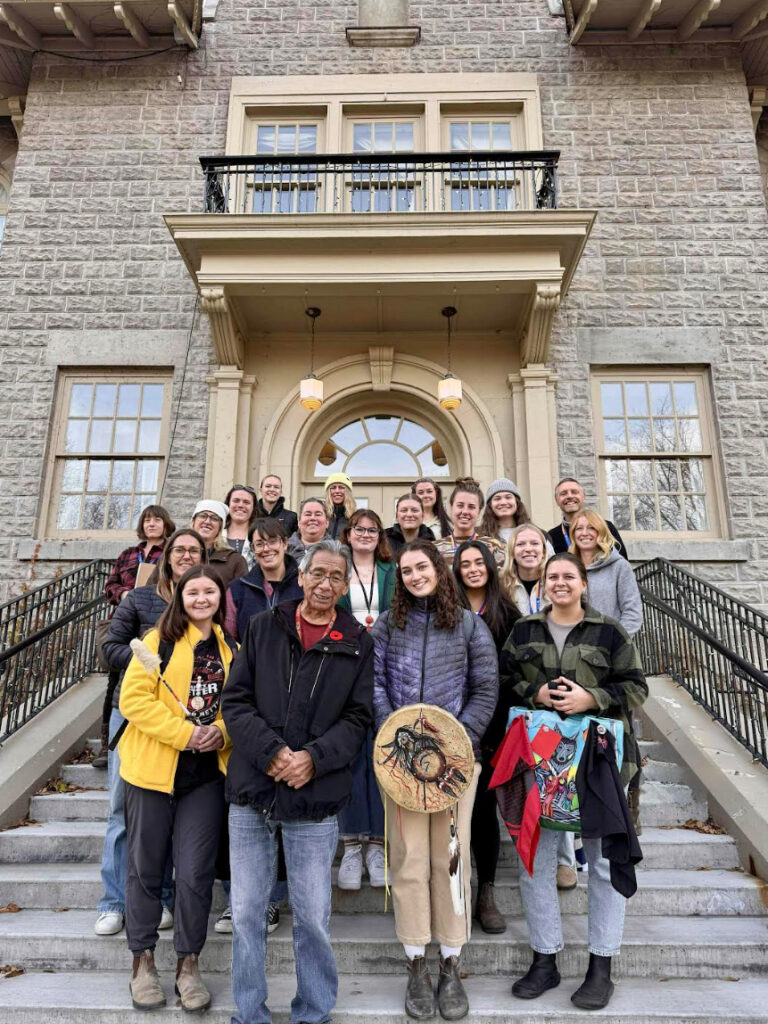
I felt honoured when we were all sitting on the front steps of the past school and Isaac shared the two songs with us as he played beats on his drum. Of course he told us stories that complemented the songs.
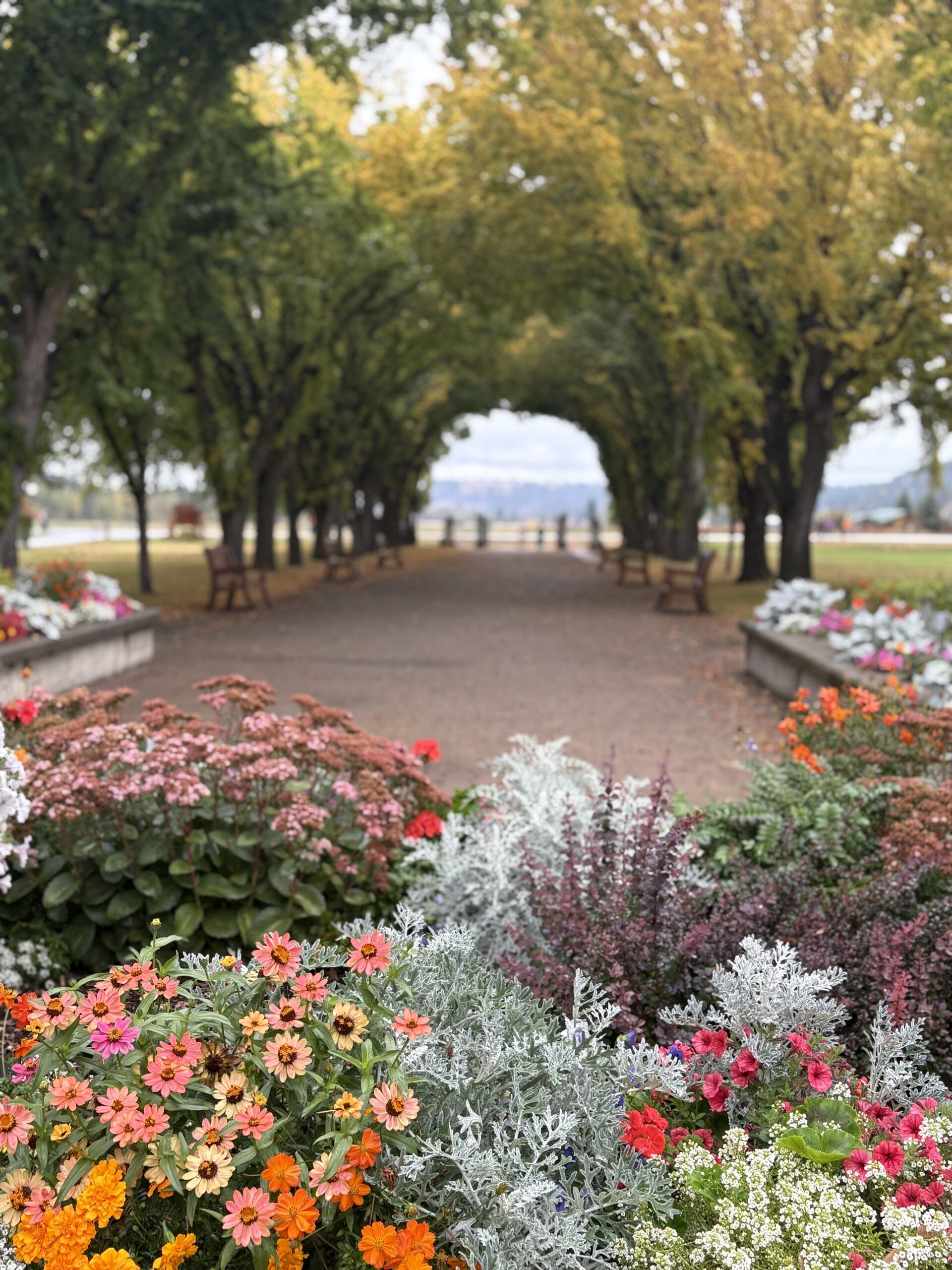
On September 30th this year I visited St. Eugene for the Truth and Reconciliation Day. I took the main photo from this blog post on that day, it was so beautiful with all the summer flowers still in full bloom! At lunchtime, the family that I was with had the honour of chatting with a gentleman named Gerald who was a Cranbrook Residential School survivor. He shared some stories with us. Thankfully, for him, he said that he wasn’t treated “too badly” but had to do chores like hauling wood for the wood stoves in the school. I’ve been thinking about his comments. I have been wondering what “too badly” means. Did some students get treated so badly that other students thought that they weren’t treated nearly as bad? So when they are asked they say — “I wasn’t treated too badly.” which makes us think that they weren’t abused… or were they just not abused as bad as their friend who spent 2 weeks in bad with a fever, bruising and trauma to their hip/lep without medical attention. Either way, this is a very sad reality for residential school survivors.
Here is a land acknowledgement that I created at the beginning of this year. It includes some reflection on my feelings about the cultural erasure that happened through residential schools and my appreciation for this amazing land that we are privileged to call home.
As someone of European and Irish descent who has spent most of my life in the Kootenays, I am continually learning what it means to live as a respectful guest on this land. I acknowledge the ongoing presence and contributions of Indigenous peoples and commit to listening, learning, and acting in solidarity. I would like to acknowledge that I live, learn, and work on the beautiful, traditional territory of the Ktunaxa Nation. I offer respect and gratitude to the Indigenous peoples, whose stewardship of this land has continued since time immemorial. In particular, I recognize the four Ktunaxa communities connected to this land: ʔaq̓am, ʔakisq̓nuk, Yaqan Nuʔkiy, and Yaq̓it ʔa·knuqⱡi’it.I am committed to respectful, collaborative relationships with Indigenous peoples, fostering truth and reconciliation through relationship, education, and awareness. I recognize that colonial systems, including residential schools, were tools of cultural erasure, imposed by those in power, and that they caused deep, lasting harm to Indigenous families, languages, and communities. It is our shared responsibility to acknowledge this truth and work toward a more just and equitable future.
~Daleen Creally

